It’s written everywhere—on clinic doors, websites, LinkedIn bios: “Child and Adolescent Therapist.”
But as someone deeply committed to developmental neuroscience and therapeutic integrity, I’ll say this clearly:
Children and adolescents are not the same. And pretending they are does a disservice to both.
The Brain Doesn’t Lie
A child’s brain and a teenager’s brain are not simply younger or older versions of each other. They are fundamentally different organisms in terms of structure, function, and regulation.
1. Myelination: Speed of Thought In early childhood, the brain’s executive functions are still under construction. Myelination—the process that speeds up neural communication—is slow and uneven. Children live in the world of now, with limited foresight or inhibition. They don’t just need therapy; they need your nervous system as an anchor.
In adolescence, the emotional brain (limbic system) races ahead, while the prefrontal cortex (rational control) lags behind. This creates the infamous teenage turbulence: intense emotion with minimal regulation. Here, the therapist becomes a boundary-holder, not a co-regulator.
2. Synaptic Pruning: Jungle vs. Garden Children’s brains are like a lush jungle—bursting with synaptic connections. They’re wide open, absorbing everything. Therapy must be sensory-rich, structured, and playful.
Teenagers, however, are pruning the excess. Their brains are streamlining—deciding who they are, what they care about, and what gets cut. Therapy here must honour identity exploration, autonomy, and cognitive sophistication. Clay and metaphor won’t reach a defended 16-year-old struggling with existential dread.
3. Limbic–Cortical Integration: Emotions vs. Reason Children externalise emotion. Their regulation is social—dependent on attachment and sensory cues. Therapy must include the body, breath, symbol, and parent.
Adolescents internalise and intellectualise. They test boundaries. They want a witness, not a playmate. They need someone who won’t flinch at their rage, sarcasm, or silence.
The Therapist Must Choose
Of course, some clinicians do shift masterfully between child and adolescent work. But it’s rare. The posture, method, and energy required for each is distinct. Personally?
I am a co-regulator. I work best when I can meet a child in their emotional rawness, build symbolic bridges, and offer a nervous system steadier than their own.
Does that mean I don’t work with teens? Not necessarily. But it does mean I choose with intention—not branding.
Let’s Be Honest About Specialisation
The title “Child and Adolescent Therapist” may serve paperwork and marketing. But in practice, we owe our clients more precision. Children don’t need someone who tolerates play. They need someone who thrives in it. Adolescents don’t need someone who enjoys deep talk. They need someone who can survive the storm of separation and self-definition.
If we are to be ethically aligned with brain development, we must be willing to say: “I specialise in children.” or “I specialise in adolescents.” or “I know where my skill ends—and I refer with respect beyond it.”
This is not about superiority. It’s about specificity. Children and adolescents are both sacred, sensitive stages. They deserve therapists who speak their language—neurologically, emotionally, and relationally.
Let’s stop selling ourselves short with generic titles. Let’s claim who we truly serve—and serve them with everything we’ve got.
Fiziksel yakınlık, ilişkilerde güven ve bağ kurmanın vazgeçilmez bir parçasıdır. Ancak özellikle sakallı bireylerle temas, dışarıdan masum görünse de, mikrobiyolojik açıdan düşündüğünüzden çok daha fazla risk barındırıyor olabilir. ABD’li Anestezi Uzmanı Dr. Myro Figura, bu konuda özellikle kadınları uyardı: Sakallar, bakteri yuvasına dönüşebilir.
Mikrobiyal Tehlike: Sakallar Neden Risk Taşır?
İnsan vücudu, doğal olarak sayısız mikroorganizma barındırır. Ancak bu organizmaların bazıları bağışıklık sistemi zayıf ya da cilt bariyeri hasarlı bireylerde enfeksiyona neden olabilir. Dr. Figura’nın vurguladığı gibi, düzenli olarak temizlenmeyen sakallar, stafilokok (Staphylococcus aureus) ve streptokok (Streptococcus pyogenes) gibi potansiyel olarak zararlı bakterilerin çoğalması için uygun bir ortam yaratır.
Bu bakteriler, yakın temas sırasında ciltteki görünmez mikroçatlaklardan kolayca vücuda sızabilir. Sonuç mu? İmpetigo gibi bulaşıcı ve oldukça rahatsız edici bir enfeksiyon…
İmpetigo Nedir?
İmpetigo, genellikle çocuklarda görülse de yetişkinlerde de yayılabilen, yüksek bulaşıcılığa sahip bir bakteriyel cilt enfeksiyonudur. Belirtiler arasında şunlar yer alır:
• Kızarık kabarcıklar ve sivilce benzeri lezyonlar
• Zamanla altın sarısı, kabuklu yaralara dönüşme
• Şiddetli kaşıntı ve hassasiyet
• Ciltte yayılma eğilimi
Tedavisinde genellikle topikal antibiyotik kremler kullanılır ve doğru bakım ile 7-10 gün içinde iyileşme sağlanabilir. Ancak bağışıklık sistemi baskılanmış bireylerde daha uzun sürebilir ve komplikasyon riski artabilir.
Cilt Bariyeri, Bağışıklık ve Temizlik Üçgeni
Cildimiz yalnızca fiziksel bir kalkan değil, aynı zamanda bağışıklık sistemimizin bir uzantısıdır. Mikroçatlaklar, çizikler veya akne gibi açıklıklar, bakteriler için adeta açık kapı niteliğindedir.
Bu noktada sakalın temizliği hayati önem taşır. Özellikle şehir yaşamında maruz kalınan toz, kir, ter ve hava kirliliği, sakalların düzenli olarak temizlenmemesi durumunda mikropların çoğalmasına zemin hazırlar.
Yakınlık Güven Gerektirir, Hijyen Bu Güvenin Temelidir
Fiziksel temasın duygusal yönü kadar biyolojik etkileri de vardır. Hijyen; saygının, özenin ve karşılıklı sorumluluğun bir göstergesidir. Sakal hijyeni yalnızca bireysel bir tercih değil, temasta bulunduğumuz kişilere duyduğumuz saygının da bir yansımasıdır.
Cilt Sağlığınızı Korumak İçin 5 Basit Öneri
1. Sakal Temizliği: Sakallı bireyler, günde en az 1 kez doğal sabun veya antibakteriyel ürünlerle sakal temizliği yapmalıdır.
2. Yüz Teması Öncesi Farkındalık: Cilt teması içeren yakınlık öncesinde partnerinizin hijyen alışkanlıklarını önemseyin.
3. Cilt Bariyerini Güçlendirin: Nemlendirici ve cilt dostu ürünlerle derinizin doğal koruma kalkanını güçlendirin.
4. Bağışıklık Sistemini Destekleyin: Sağlıklı beslenme, düzenli uyku ve stres yönetimi, cilt enfeksiyonlarına karşı koruyucudur.
5. Belirti Takibi: Kızarıklık, kaşıntı ya da anormal cilt lezyonlarını fark ederseniz gecikmeden bir dermatoloğa danışın.
Kaynakça ve Bilimsel Dayanaklar
• Centers for Disease Control and Prevention (CDC). “Impetigo: Causes, Symptoms, and Treatment.”
• Mayo Clinic. “Staph infections and skin contact.”
• American Academy of Dermatology (AAD). “Bacterial skin infections.”
• Journal of Clinical Microbiology. “Beard-Associated Bacterial Flora and Risk Factors in Personal Hygiene.”
I remember the minute It was like a switch was flipped I was just a kid who grew up strong enough To pick this armour up And suddenly it fit
God, that was so long ago, long ago, long ago I was little, I was weak and perfectly naive And I grew up too quick
Now you won’t see all that I have to lose And all I’ve lost in the fight to protect it I won’t let you in, I swore never again I can’t afford, no, I refuse to be rejected
I want to break these bones ’til they’re better I want to break them right and feel alive You were wrong, you were wrong, you were wrong My healing needed more than time
When I see fragile things, helpless things, broken things I see the familiar I was little, I was weak, I was perfect, too Now I’m a broken mirror
But I can’t let you see all that I have to lose All I’ve lost in the fight to protect it I can’t let you in, I swore never again I can’t afford to let myself be blindsided
I’m standing guard, I’m falling apart And all I want is to trust you Show me how to lay my sword down For long enough to let you through
Here I am, pry me open What do you want to know? I’m just a kid who grew up scared enough To hold the door shut And bury my innocence But here’s a map, here’s a shovel Here’s my Achilles’ heel
I’m all in, palms out I’m at your mercy now and I’m ready to begin I am strong, I am strong, I am strong enough to let you in
I’ma shake the ground with all my might And I will pull my whole heart up to the surface For the innocent, for the vulnerable And I’ll show up on the front lines with a purpose
And I’ll give all I have, I’ll give my blood, give my sweat An ocean of tears will spill for what is broken I’m shattered porcelain, glued back together again Invincible like I’ve never been…
”Ben kimim?” sorusundan daha önemli bir şey varsa o da ”Ben nereden geldim?” sorusudur.
Özellikle ergen psikoterapisinde sağaltım sürecinde bu soruyu yöneltir analizana, psikanalist. Bu soruyla başlar bir çok çözünme.
Ergenliğin başlayışı belirli, bitişi ise pek muğlak. Bu yüzden kendini erişkin olarak kabul eden, sevgili okur, belki sen de hala bir ergen olabilirsin, evet yaşın 30’larında olsa bile!
O yüzden bu soruyu kendine de sormalısın… Ve getireceği cevaplar, ruh yolculuğunda seni yönlendirecektir.
Sen kimsin? Mesleğin, yaşadığın yer ve ilişkilerin…
Oysa senin nereden geldiğin, maskenin ardındaki sana dair ne kadar çok gizemi açıklar.
Ben Pi olarak kimim? İnsanı analiz etme uğraşlarında, psikoloji, sosyoloji, biyoloji, tarih ve felsefe öğrenen biriyim…
Peki ben nereden geldim?
Cömert ve oluş’u akış’a bırakan bir babadan,
Güçlü ve ”ol” diyerek olduran bir anneden,
ve müzikal dehasıyla benim günümü gecemi harika enstrümanlar, notalar ve kompozisyonlarla donatan bir abiden! …
Beni her daim güldüren, müzikal deham, Atilla Volga.
Geldiğim yer müzikli, özgür ve güçlü…
Bir tarihçi çırağı (apprenti historien) olarak ben geldiğim yeri böyle özetledim…
Dilimizin yılmaz savunucusu Feyza Hepçilingirler, çok severek okuduğum, dilimize ve kültürümüze büyük önem veren, özellikle Türkçeye sahip çıkmamız gerektiğini vurgulayan çok değerli bir Türk edebiyatçısıdır. 26 Ocak 1948’de Ayvalık’ta doğan Hepçilingirler, Türk Dili ve Edebiyatı mezunu, hayatı boyunca öğretmenlik yapmış ve yazarlığa devam etmiş biridir. “Türkçe “Off!”” ve “Yıldızların Suya Döküldüğü” gibi eserleriyle dilimizin zenginliklerini ve inceliklerini gözler önüne sermiştir.
Hepçilingirler’in “Belki de Kovulmuştur Cennetten” adlı denemesinden yola çıkarak yazdığım bu metinde, fiziksel şiddetin, aşağılamanın ve çocukları kendilerini kötü hissettirmenin gelecekte yaratacağı zararlara odaklanıyorum. 1948 doğumlu olan Hepçilingirler, Servet-i Fünun ve Fecr-i Âti gibi Türk şiirinde ve yazınında geleceğe umutla bakan ekollerin eserleriyle büyümüştür. Tanzimat, II. Meşrutiyet ve Cumhuriyet’in ilk yılları gibi dönemler de onun edebi anlayışını şekillendirmiştir. Bu dönemlerde, Namık Kemal, Ömer Seyfettin ve Halide Edip Adıvar gibi yazarlar, geleceğe dair umutlu bir bakış açısıyla eserler vermişlerdir.
Ancak, 2000’li yıllara doğmuş gençler, bu idealist yazarlarımızın aksine, geleceğe aynı umutla bakmakta zorlanıyor. Hepçilingirler’in yazılarında gördüğüm idealizm ve memleketimizin geleceğine dair iyimserlik, bu pessimist döneme doğmuş biri olarak beni yer yer fazla iyi niyetli düşünmeye itiyor.
3 sayfalık denemesinde, bir babanın çocuğunu dövmesi ve kendi anılarından yola çıkarak, ilkokuldayken arkadaşlarını güldürmek için yaptığı şakaları duyan bir hocanın ensesine indirdiği tokadın onda yarattığı travmayı anlatıyor. Bu tokat, yazarın dışa dönük ve cesur olabilecekken içe kapanık ve çekingen birine dönüşmesine neden olmuş. Hepçilingirler, “O tokat kişiliğimde nasıl bir iz bıraktı, kim bilebilir?” diyerek, bu tür deneyimlerin insan hayatındaki derin etkilerine dikkat çekiyor.
Bir ruh bilimci olarak, bu tür travmaların insan kişiliği üzerindeki etkilerine tamamen katılıyorum. Cezalandırma, birçok çocuğu ve insanı içe kapatır, cesaretlerini kırar. Ancak, bazı insanların savunma mekanizmaları farklı çalışır ve tokat yedikleri yerden güçlenirler. Bu, istisnai bir durum olsa da, var olan bir gerçektir.
Hepçilingirler’in idealist ve iyimser bakış açısı, onun döneminin yazarlarında sıkça görülen bir özelliktir. Onlar, her zaman geleceğe umutla bakmış ve çocuklara yatırım yapılması gerektiğine inanmışlardır. Ancak, bizim neslimiz, bu idealizmin yerini realizme bıraktığı bir dönemde yaşıyor. 19. yüzyıl ortalarında Fransa’da doğan realizm akımı, gerçekliğin nesnel bir şekilde tasvir edilmesini savunur ve o dönemlerde pratiğe dökülemeyen teorik bir akımdı.
Ancak şöyle bir savda bulunabilirim ki; her ne kadar realizm 1850’lerde Fransa’da başlamış olsa da, 21. yüzyılda toplumsal gerçekçilik akımları, bireysellik, kimlik arayışı ve küreselleşme ile doruk noktasına ulaşmıştır. Bu yeni dönem, edebiyatta daha önce görülmemiş bir gerçekçilik anlayışını beraberinde getirmiştir. Bu yeni gerçekçilik anlayışına örnek olarak, Karl Ove Knausgård’ın “Kavgam”, Elena Ferrante’nin Napoli Romanları ve Michel Houellebecq’in “Element Parçacıkları” gibi eserler verilebilir.
21. yüzyıl, realizmin sadece edebi bir akım olarak kalmayıp, hayatın her alanına sirayet ettiği bir dönemdir. Bu dönemde, gerçeklik, tüm çıplaklığıyla ve karmaşıklığıyla ele alınmakta ve edebiyat, bu gerçekliği yansıtmak için yeni yollar ve anlatım biçimleri aramaktadır.
Hepçilingirler, denemesinin sonunda, “Çocuğa vurulan her tokat, belki yarının başbakanına, fizik bilginine, opera bestecisine, ressamına, yazarına, şairine vuruluyor aslında…” diyor. Bu sözlerle, bir çocuğa yapılan her türlü şiddetin, onun potansiyelini yok ettiğini ima ediyor. Ancak, günümüzde fiziksel tokatların yerini sözel şiddet ve zorbalık almıştır.
Hepçilingirler’in asıl anlatmak istediği, bir çocuğa atılan her tokadın, maddi veya manevi, aslında o çocuğun geleceğine, dolayısıyla toplumun geleceğine etki edeceğidir. Ancak, bu derin anlam, maalesef, bazen kötü niyetli kişiler tarafından parlak gençleri travmatize etmek için bir araç olarak kullanılabiliyor.
İnsanlar, özellikle de kendi çevrelerindekiler, başkalarının başarılarını kıskanabiliyorlar. Kendi yetiştirdikleri kişilerin kendilerini geçmesini istemeyen bir rekabet duygusu içinde olabiliyorlar. Bu durum, psikolojide “narsisistik rekabet” olarak adlandırılır. Narsisistik rekabet, kişinin kendisini veya kendi uzantılarını (çocukları, öğrencileri vb.) başkalarından üstün görme ve başkalarının başarılarını tehdit olarak algılama eğilimidir. Bu eğilim, kişinin kendilik değerini koruma ve yüceltme ihtiyacından kaynaklanır.
Birçok öğretmen bile, “Bu öğrencim ileride çok başarılı olacak” denildiğinde, içten içe bir kıskançlık hissedebilir ve o öğrenciye daha mesafeli davranabilir. Başarılı çocukların ve gençlerin, hem maddi hem de manevi tokatlara maruz kalması kaçınılmaz hale geliyor. Onlar, yaramazlıklarından değil, başarılarının hazmedilememesinden dolayı cezalandırılıyorlar. Üniversite ve yüksek lisans düzeyindeki öğrencilerin bile sözel şiddete maruz kalması, bu durumun ne kadar yaygın olduğunu gösteriyor.
Hepçilingirler, “belki daha cesur olurdum, daha konuşkan olurdum” derken aslında ne kadar mütevazı olduğunu görüyoruz. Kendisi, başarılarıyla edebiyat dünyasında kendini kanıtlamış bir kişilik. Yazılarından anladığımız kadarıyla sürekli okuyan ve yazan biri olarak, o tokadı çoktan geride bırakmış. “Belki daha başarılı olurdum” diye düşünmesi de, başarının sınırının olmadığını gösteriyor. Biz okurları için kendisi zaten Nobel Edebiyat Ödülü’nü almış bir yazardan farksız. Belki de o tokat, onun daha da çok çalışmasını ve kendini kanıtlamasını sağlamıştır.
Hepçilingirler’in ima ettiği gibi, bir çocuğa atılan her tokat geleceğe tesir eder. İnsanlar, kendi başarılarını ve çıkarlarını her şeyin üstünde tuttuğu sürece, geleceğin potansiyel liderleri, bilim insanları ve sanatçıları, engellerle karşılaşmaya devam edecekler. Toplum olarak, bu kısır döngüyü kırmadığımız sürece, Hepçilingirler’in idealindeki aydınlık geleceğe ulaşmamız zor görünüyor.
Çünkü gerçek başarı engelleri aştığımız kadardır. Bu, sadece gençlerin değil, toplumun her kesiminin içinde olan bir eğilimdir ve narsisistik rekabetin acımasız yüzünü yansıtır.
The meat, milk, and eggs we see on supermarket shelves and our tables every day hide the pain and suffering of billions of animals. Ignoring this reality means acting with a human-centered perspective and disrespecting the right to life of other living beings. As a neuroscientist and philosopher, I invite all sensitive individuals to think more deeply about this issue. In this article, I will go beyond anthropocentrism and discuss why we should defend animal rights. I will emphasize the moral value of animals through Joel Feinberg’s concept of “having interests” and Jainism’s principle of “ahimsa”. I will also address the debates on the sentience of plants, highlighting the difference between animal rights and plant rights.
Humans and Nature: A Historical Perspective
Throughout history, humanity has had a complex relationship with nature. Early humans, living in hunter-gatherer societies, were entirely dependent on nature . Natural resources were vital for food, shelter, and toolmaking . During this period, humans saw themselves as part of nature and lived in harmony with it . With the development of agriculture, humans began to shape nature according to their needs, creating a shift in the human-nature relationship . For example, about 4 million years ago, the Australopithecus species developed a skeletal structure that allowed them to adapt to changing humidity and vegetation . This adaptability was one of the first steps humans took towards altering and controlling their environment.
The Industrial Revolution increased human dominance over nature, leading to environmental problems . Factories and mines polluted rivers and air, while deforestation caused widespread environmental damage . Today, issues like global warming, depletion of water resources, and biodiversity loss reveal the extent of human damage to nature . Since 1970, we have lost about 69% of the world’s biodiversity due to human settlements, agriculture, and industrial production . This makes the Earth’s life support systems more fragile . Human activities also support species that thrive in human-modified habitats, such as pigeons in cities, drug-resistant bacteria in hospitals, and grasses in urban environments .
How did humans develop this domineering attitude towards nature? The answer lies in the different definitions of human nature and the factors influencing the human-nature relationship . Human nature can be defined in various ways, including innate abilities, tendencies and capacities, moral and ethical values, biological and genetic makeup, and cultural and social norms . Cultural values and beliefs, socioeconomic status, environmental factors, and personal experiences are among the important factors affecting the human-nature relationship . For example, while some cultures view nature as a spiritual or religious realm, others may perceive it as a resource to be exploited .
We can also look at the human-nature relationship from different perspectives. Anthropocentrism believes that humans are superior to all other living beings and have the right to rule over them . This view has been used to justify the exploitation of natural resources and environmental destruction . Deep ecology, on the other hand, emphasizes the interconnectedness and intrinsic value of all living beings . Ecofeminism combines feminist and ecological ideas to challenge patriarchal domination and promote sustainable living practices . Biophilia argues that humans have an innate affinity for nature and other life forms .
The Achuar people of Ecuador provide a different example of the human-nature relationship . The Achuar have a worldview called animism, which sees no separation between humans and nature and considers all living and non-living beings interconnected . Like many indigenous communities, the Achuar believe in the responsibility to respect and live in harmony with nature .
The evolution of humanity’s relationship with nature has also shaped its interactions with other species. For example, the co-evolution of humans and dogs increased human survival chances . Dogs helped humans with hunting, protection, and companionship . This relationship demonstrates the human capacity for cooperation and learning from other species.
At this point, the concepts of environmental ethics and animal ethics become crucial. Environmental ethics addresses human responsibilities towards nature, while animal ethics questions the moral status of non-human animals. Animal ethics debates have been addressed by different philosophical schools throughout history. In ancient Greek philosophy, Socrates examined the question of how humans should live best and emphasized the importance of reasoning . Aristotle argued that human reason is our most important characteristic and should be developed . Today, practices like industrial animal agriculture, animal experimentation, and habitat destruction make animal ethics discussions even more critical . Humans have become one of the greatest forces influencing the evolution of other organisms through activities like hunting, harvesting, fishing, agriculture, medicine, climate change, pollution, and urbanization .
By examining the historical development of our relationship with nature, we can better understand our ethical responsibilities towards animals. Humans must acknowledge that they are not masters of nature but a part of it, and show respect for other living beings. This understanding forms the basis of animal rights discussions.
Animal Liberation and Peter Singer
Peter Singer is one of the first names that come to mind when discussing animal rights. A pioneer of the animal rights movement with his book “Animal Liberation”, Singer adopts the concept of preference utilitarianism. According to this view, moral actions are those that minimize pain and suffering and maximize happiness for all sentient beings. Singer emphasizes that animals, like humans, can feel pain and pleasure, and therefore their interests should also be considered . Singer’s principle of “equal consideration of interests for all sentient beings” provides a strong argument against speciesism. Speciesism is the discrimination against non-human animals based solely on their species. Singer equates speciesism with racism and sexism, arguing that it is morally unacceptable.
Animal Rights and Philosophical Foundations
There are different philosophical approaches to animal rights. Rights-based approaches, like that of Tom Regan, argue that animals have inherent rights, while utilitarian approaches suggest that animal interests should be considered alongside human interests. The approach I want to focus on is Joel Feinberg’s concept of “having interests”. According to Feinberg, a being does not need to be conscious or feel pain to have interests. A being’s interests are things that matter to its well-being, and these interests can exist regardless of whether the being is conscious or not. For example, a tree needs water to grow and develop, and this water is in the tree’s interest. Even though the tree is not aware of this need, its interest still exists. Feinberg argues that animals, like humans, have interests, and these interests should be taken into account morally. As a neuroscientist, I agree with Feinberg’s view. My observation on animals confirms that they have complex emotional lives and rich social relationships. We know that they can experience emotions like pain, fear, joy, and sadness. Therefore, it is morally wrong to ignore their interests and use them solely for human needs.
Jainism offers an important perspective on animal rights with its principle of “ahimsa” (non-violence). According to Jainism, all living beings are sacred and should not be harmed. This principle encompasses not only physical violence but also violence in thought and speech. Jainism promotes veganism and a compassionate approach towards animals. This understanding of non-violence in Jainism resonates with my vegan lifestyle and animal rights activism. This philosophy, based on not harming animals and respecting them, is a great source of inspiration for me.
Plants and Sentience
A common argument in animal rights discussions is the claim that “plants also have a life”. However, this claim is not scientifically accurate. Unlike animals, plants do not have a nervous system and therefore cannot feel pain . Studies in neuroscience show that pain perception is a complex neurological process, and it is not possible to feel pain without a nervous system (Schlereth & Birklein., 2008). Of course, we should respect the right to life of plants and avoid harming vegetation to protect the environment. However, since plants do not have the capacity to feel, they cannot be equated with animal rights.
Conclusion: The Value of Animals
Joel Feinberg’s concept of “having interests” and Jainism’s principle of “ahimsa” demonstrate that animals have moral value and should have rights. Animals are not merely tools for fulfilling human needs, but valuable beings in their own right. They have interests such as not suffering, living freely, and exhibiting species-specific behaviors. As Feinberg emphasizes, these interests exist regardless of whether animals are conscious or not, and should be considered morally. Jainism’s principle of “ahimsa” reminds us that we should be compassionate and respectful towards all living beings.
We all have a responsibility to raise awareness about animal ethics and protect animals. Choosing a vegan diet, opposing animal experimentation, not supporting industries that exploit animals, and supporting organizations that advocate for animal welfare are just a few of the concrete steps we can take. Let us not forget that animals are as valuable as we are, and protecting their rights is a moral imperative.
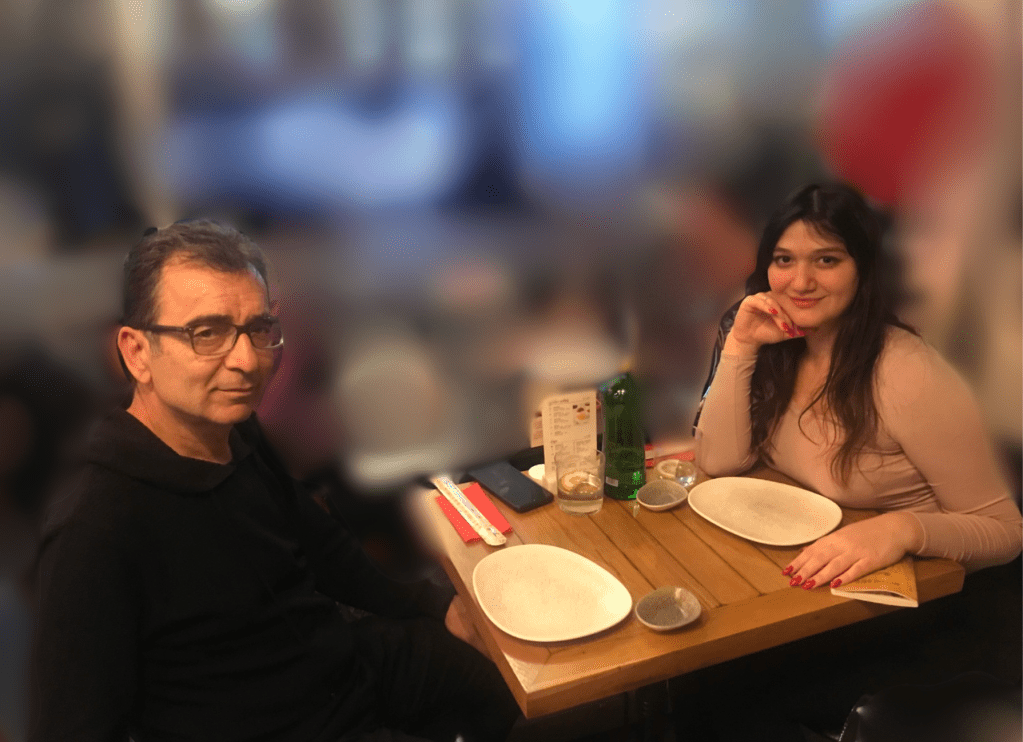
Benim için değeri paha biçilemez bir insan (Üst-İnsan).
Bana 10 yıldır muhteşem bilginin zekayla ve deneyimle harmanlaşmış şeklini hap şeklinde sunan ve bana sonsuz güvenen, girdiğim her yolda arkamda bir gardiyan gibi dimdik duran, kadim hocam,daimi mentörüm, ve can içre dostum ile evrimin, sosyolojinin, psikolojinin ve daha bir sürü şeyin dehlizlerinde kaybolduk. Sonsuza dek konuşsak da çözümlenemeyecek gizemleri var gibi evrenden geniş insanın. İnsanı ve kendimi analiz etme yolculuğumda, benimle birlikte o muhteşem dehanı ve vizyonunu aktive ettiğin için teşekkür ederim..
Temennim, bu çooook kıymetli dostluğumuzun zirvesinden hiç düşmeden baki kalması…
Benimle paylaştığın o paha biçilemez zihnin için çok teşekkürler.
Her zaman daha iyiye evrilen Pi’ye şahit olman için sağlıklı kalman için elimden geleni yapacağım. (fonda: vegan ol, vegan ol.)
Daha paylaşacağımız nice dipsiz felsefi/psikolojik analizlere sevgili ve saygıdeğer Prof. Dr. M. Asım Karaömerlioğlu.
Your presence in my evolution is more than words can say. ♥️🧠📚






 Gündem / Agenda