Whilst reading Prof. Dr. Onur Güntürkün‘s research on the avian brain I noticed that they can be quite smart!
Neuropsychologists can train pigeons to sort images — flowers, chairs, patterns. They learn categories, even abstract ones (Wasserman et al., 2024). They grasp complexity, adapt to new rules (Pusch et al., 2024). We applaud their minds — on paper.
Yet their cousins, the chickens, remain invisible. Not mindless, just misjudged. Because if we saw their minds, we’d have to see our own contradictions.
Cognition is not a privilege of language. It is not human-only. It is not permission to dominate.
What if these studies are not just about birds? What if they’re quiet arguments for empathy — in the lab, and at the table?
Selected References
Pusch, R., Stüttgen, M. C., Packheiser, J., Azizi, A. H., Sevincik, C. S., Rose, J., Cheng, S., & Güntürkün, O. (2024). Working memory performance is tied to stimulus complexity. Communications Biology, 7, Article 1326. https://doi.org/10.1038/s42003-023-05486-7
Wasserman, E. A., Turner, B. M., & Güntürkün, O. (2024). The pigeon as a model of complex visual processing and category learning. Neuroscience Insights, 19, 1–5. https://doi.org/10.1177/26331055241235918
In the history of neuroscience, few voices have combined quantitative precision with bold curiosity quite like the late Professor Bente Pakkenberg. A pioneer in the field of neurostereology, she revolutionised our understanding of the ageing brain, dedicating her life to mapping its intricate architecture with clarity and compassion.
Through meticulous stereological analyses of over 1,400 human brains, she charted how neuron numbers change over time. Her research revealed a 10% loss of neocortical neurons with age, yet fascinatingly, those who reached 100 years of age experienced no additional decline after age 90. This raised profound questions about cognitive reserve, resilience, and the biology of successful ageing.
Pakkenberg’s findings went further, showing that while fetal brains accumulate an average of 171 million neurons per day from week 22 until birth, adult brains retain the full neuronal count even as glial cell populations triple. Such data challenge simplified narratives of brain development and loss, offering instead a layered picture of neuroplasticity, support systems, and functional adaptation.
Her voice continues to echo not just in the field of ageing but in feminist neuroscience. She showed us that it’s not the number of neurons that defines capacity, but how they are used, supported, and sustained across a lifetime. In a field often overrun by reductionism, Bente Pakkenberg brought clarity, nuance, and a rare poetic truth.
She passed away in 14 April 2023, but the legacy she leaves is neuronal, indeed: enduring, deeply interconnected, and quietly powerful.
It’s written everywhere—on clinic doors, websites, LinkedIn bios: “Child and Adolescent Therapist.”
But as someone deeply committed to developmental neuroscience and therapeutic integrity, I’ll say this clearly:
Children and adolescents are not the same. And pretending they are does a disservice to both.
The Brain Doesn’t Lie
A child’s brain and a teenager’s brain are not simply younger or older versions of each other. They are fundamentally different organisms in terms of structure, function, and regulation.
1. Myelination: Speed of Thought In early childhood, the brain’s executive functions are still under construction. Myelination—the process that speeds up neural communication—is slow and uneven. Children live in the world of now, with limited foresight or inhibition. They don’t just need therapy; they need your nervous system as an anchor.
In adolescence, the emotional brain (limbic system) races ahead, while the prefrontal cortex (rational control) lags behind. This creates the infamous teenage turbulence: intense emotion with minimal regulation. Here, the therapist becomes a boundary-holder, not a co-regulator.
2. Synaptic Pruning: Jungle vs. Garden Children’s brains are like a lush jungle—bursting with synaptic connections. They’re wide open, absorbing everything. Therapy must be sensory-rich, structured, and playful.
Teenagers, however, are pruning the excess. Their brains are streamlining—deciding who they are, what they care about, and what gets cut. Therapy here must honour identity exploration, autonomy, and cognitive sophistication. Clay and metaphor won’t reach a defended 16-year-old struggling with existential dread.
3. Limbic–Cortical Integration: Emotions vs. Reason Children externalise emotion. Their regulation is social—dependent on attachment and sensory cues. Therapy must include the body, breath, symbol, and parent.
Adolescents internalise and intellectualise. They test boundaries. They want a witness, not a playmate. They need someone who won’t flinch at their rage, sarcasm, or silence.
The Therapist Must Choose
Of course, some clinicians do shift masterfully between child and adolescent work. But it’s rare. The posture, method, and energy required for each is distinct. Personally?
I am a co-regulator. I work best when I can meet a child in their emotional rawness, build symbolic bridges, and offer a nervous system steadier than their own.
Does that mean I don’t work with teens? Not necessarily. But it does mean I choose with intention—not branding.
Let’s Be Honest About Specialisation
The title “Child and Adolescent Therapist” may serve paperwork and marketing. But in practice, we owe our clients more precision. Children don’t need someone who tolerates play. They need someone who thrives in it. Adolescents don’t need someone who enjoys deep talk. They need someone who can survive the storm of separation and self-definition.
If we are to be ethically aligned with brain development, we must be willing to say: “I specialise in children.” or “I specialise in adolescents.” or “I know where my skill ends—and I refer with respect beyond it.”
This is not about superiority. It’s about specificity. Children and adolescents are both sacred, sensitive stages. They deserve therapists who speak their language—neurologically, emotionally, and relationally.
Let’s stop selling ourselves short with generic titles. Let’s claim who we truly serve—and serve them with everything we’ve got.
The meat, milk, and eggs we see on supermarket shelves and our tables every day hide the pain and suffering of billions of animals. Ignoring this reality means acting with a human-centered perspective and disrespecting the right to life of other living beings. As a neuroscientist and philosopher, I invite all sensitive individuals to think more deeply about this issue. In this article, I will go beyond anthropocentrism and discuss why we should defend animal rights. I will emphasize the moral value of animals through Joel Feinberg’s concept of “having interests” and Jainism’s principle of “ahimsa”. I will also address the debates on the sentience of plants, highlighting the difference between animal rights and plant rights.
Humans and Nature: A Historical Perspective
Throughout history, humanity has had a complex relationship with nature. Early humans, living in hunter-gatherer societies, were entirely dependent on nature . Natural resources were vital for food, shelter, and toolmaking . During this period, humans saw themselves as part of nature and lived in harmony with it . With the development of agriculture, humans began to shape nature according to their needs, creating a shift in the human-nature relationship . For example, about 4 million years ago, the Australopithecus species developed a skeletal structure that allowed them to adapt to changing humidity and vegetation . This adaptability was one of the first steps humans took towards altering and controlling their environment.
The Industrial Revolution increased human dominance over nature, leading to environmental problems . Factories and mines polluted rivers and air, while deforestation caused widespread environmental damage . Today, issues like global warming, depletion of water resources, and biodiversity loss reveal the extent of human damage to nature . Since 1970, we have lost about 69% of the world’s biodiversity due to human settlements, agriculture, and industrial production . This makes the Earth’s life support systems more fragile . Human activities also support species that thrive in human-modified habitats, such as pigeons in cities, drug-resistant bacteria in hospitals, and grasses in urban environments .
How did humans develop this domineering attitude towards nature? The answer lies in the different definitions of human nature and the factors influencing the human-nature relationship . Human nature can be defined in various ways, including innate abilities, tendencies and capacities, moral and ethical values, biological and genetic makeup, and cultural and social norms . Cultural values and beliefs, socioeconomic status, environmental factors, and personal experiences are among the important factors affecting the human-nature relationship . For example, while some cultures view nature as a spiritual or religious realm, others may perceive it as a resource to be exploited .
We can also look at the human-nature relationship from different perspectives. Anthropocentrism believes that humans are superior to all other living beings and have the right to rule over them . This view has been used to justify the exploitation of natural resources and environmental destruction . Deep ecology, on the other hand, emphasizes the interconnectedness and intrinsic value of all living beings . Ecofeminism combines feminist and ecological ideas to challenge patriarchal domination and promote sustainable living practices . Biophilia argues that humans have an innate affinity for nature and other life forms .
The Achuar people of Ecuador provide a different example of the human-nature relationship . The Achuar have a worldview called animism, which sees no separation between humans and nature and considers all living and non-living beings interconnected . Like many indigenous communities, the Achuar believe in the responsibility to respect and live in harmony with nature .
The evolution of humanity’s relationship with nature has also shaped its interactions with other species. For example, the co-evolution of humans and dogs increased human survival chances . Dogs helped humans with hunting, protection, and companionship . This relationship demonstrates the human capacity for cooperation and learning from other species.
At this point, the concepts of environmental ethics and animal ethics become crucial. Environmental ethics addresses human responsibilities towards nature, while animal ethics questions the moral status of non-human animals. Animal ethics debates have been addressed by different philosophical schools throughout history. In ancient Greek philosophy, Socrates examined the question of how humans should live best and emphasized the importance of reasoning . Aristotle argued that human reason is our most important characteristic and should be developed . Today, practices like industrial animal agriculture, animal experimentation, and habitat destruction make animal ethics discussions even more critical . Humans have become one of the greatest forces influencing the evolution of other organisms through activities like hunting, harvesting, fishing, agriculture, medicine, climate change, pollution, and urbanization .
By examining the historical development of our relationship with nature, we can better understand our ethical responsibilities towards animals. Humans must acknowledge that they are not masters of nature but a part of it, and show respect for other living beings. This understanding forms the basis of animal rights discussions.
Animal Liberation and Peter Singer
Peter Singer is one of the first names that come to mind when discussing animal rights. A pioneer of the animal rights movement with his book “Animal Liberation”, Singer adopts the concept of preference utilitarianism. According to this view, moral actions are those that minimize pain and suffering and maximize happiness for all sentient beings. Singer emphasizes that animals, like humans, can feel pain and pleasure, and therefore their interests should also be considered . Singer’s principle of “equal consideration of interests for all sentient beings” provides a strong argument against speciesism. Speciesism is the discrimination against non-human animals based solely on their species. Singer equates speciesism with racism and sexism, arguing that it is morally unacceptable.
Animal Rights and Philosophical Foundations
There are different philosophical approaches to animal rights. Rights-based approaches, like that of Tom Regan, argue that animals have inherent rights, while utilitarian approaches suggest that animal interests should be considered alongside human interests. The approach I want to focus on is Joel Feinberg’s concept of “having interests”. According to Feinberg, a being does not need to be conscious or feel pain to have interests. A being’s interests are things that matter to its well-being, and these interests can exist regardless of whether the being is conscious or not. For example, a tree needs water to grow and develop, and this water is in the tree’s interest. Even though the tree is not aware of this need, its interest still exists. Feinberg argues that animals, like humans, have interests, and these interests should be taken into account morally. As a neuroscientist, I agree with Feinberg’s view. My observation on animals confirms that they have complex emotional lives and rich social relationships. We know that they can experience emotions like pain, fear, joy, and sadness. Therefore, it is morally wrong to ignore their interests and use them solely for human needs.
Jainism offers an important perspective on animal rights with its principle of “ahimsa” (non-violence). According to Jainism, all living beings are sacred and should not be harmed. This principle encompasses not only physical violence but also violence in thought and speech. Jainism promotes veganism and a compassionate approach towards animals. This understanding of non-violence in Jainism resonates with my vegan lifestyle and animal rights activism. This philosophy, based on not harming animals and respecting them, is a great source of inspiration for me.
Plants and Sentience
A common argument in animal rights discussions is the claim that “plants also have a life”. However, this claim is not scientifically accurate. Unlike animals, plants do not have a nervous system and therefore cannot feel pain . Studies in neuroscience show that pain perception is a complex neurological process, and it is not possible to feel pain without a nervous system (Schlereth & Birklein., 2008). Of course, we should respect the right to life of plants and avoid harming vegetation to protect the environment. However, since plants do not have the capacity to feel, they cannot be equated with animal rights.
Conclusion: The Value of Animals
Joel Feinberg’s concept of “having interests” and Jainism’s principle of “ahimsa” demonstrate that animals have moral value and should have rights. Animals are not merely tools for fulfilling human needs, but valuable beings in their own right. They have interests such as not suffering, living freely, and exhibiting species-specific behaviors. As Feinberg emphasizes, these interests exist regardless of whether animals are conscious or not, and should be considered morally. Jainism’s principle of “ahimsa” reminds us that we should be compassionate and respectful towards all living beings.
We all have a responsibility to raise awareness about animal ethics and protect animals. Choosing a vegan diet, opposing animal experimentation, not supporting industries that exploit animals, and supporting organizations that advocate for animal welfare are just a few of the concrete steps we can take. Let us not forget that animals are as valuable as we are, and protecting their rights is a moral imperative.
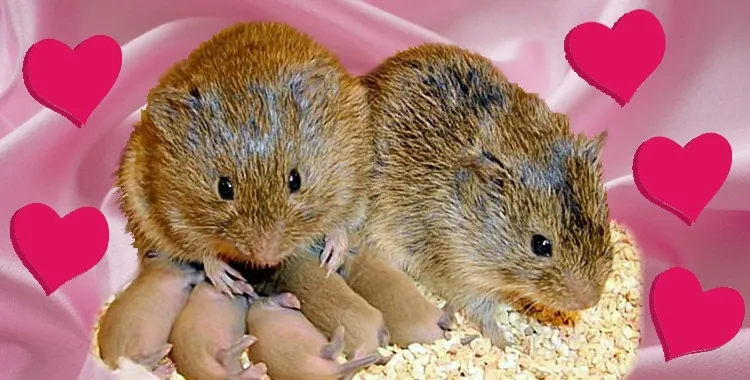
The prairie vole is a well-known animal, especially in the scientific community, for its fascinating mating and monogamous behavior. Researchers have long been captivated by this small rodent, studying what makes its rare commitment to lifelong partnerships so intriguing. I fully understand that a well-educated neuroscientist might not learn much from this paper. Even I knew about prairie voles around 10 years ago… Considering that I was still a teenager with a developing prefrontal cortex, it shows that this information is widely popular—it’s not (only) that I was particularly wise back then.
Ah, the lovely prairie voles… I’ve always been very fond of them. I once had a dream where I told someone about my concerns for a rodent in distress. Not a cat or a dog, like literally everyone these days!
Today, as a devoted researcher of mating behavior, I was rereading the world-renowned research article on, well… yes, prairie voles.
Published in Nature back in 2006, when I was still a little girl playing with Barbies, Edwards and Self were researching why only a small number of animals are strictly monogamous. It’s monogamy or the highway, as they say!
They found that different amounts of neurotransmitters, and thus their receptors (which go together like love and marriage), were at play.
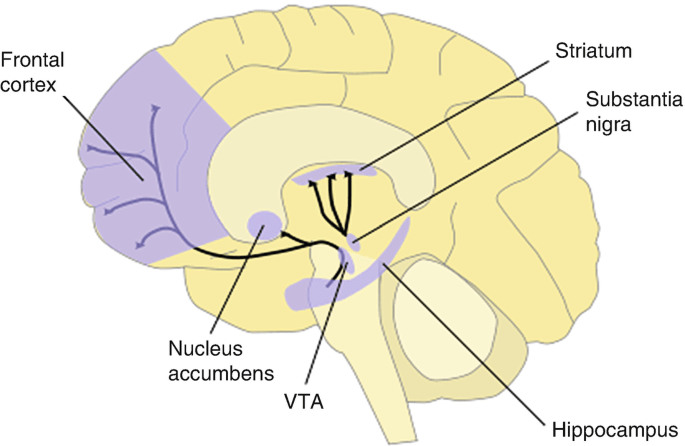
For the curious non-neuroscientists: there’s a tiny, addictive area in our brains called the “nucleus accumbens,” which is highly associated with excitement and pleasure.
It’s the endpoint for dopamine, sent from another reward center called the VTA, and it generates motivation—motivation to pursue a partner, 🦑
find good food, 🍄
study neuroscience, 🧠
or even learn the R programming language for better statistical analysis.
Surprising as it may be, I’m spending all my motivational output from my beloved mesolimbic pathway on things that aren’t rose petals, porcini risottos, or lovers serenading from beneath my balcony. Of course, R and neuroscience are definitely worth the sacrifice of my youthful, romantic days!
But let’s get back to the real stars—those adorable prairie voles!
They should be role models for all men (and some women, though less frequently) who put a ring on someone and yet court others with a heartbeat.
From what humanity’s flaky commitment trends have taught us, trusting a man to stay loyal can be… tricky.
Meanwhile, these sweet little munchkins remain like fairy tale dreams, rarely coming true (p-value 0.000000000001 and effect size Cohen’s d being 0.000000000001).
In non-statistical terms (since I am no statistician and shall not speak like one), finding a man with the loyalty of a prairie vole is like finding a 500-carat pink diamond on the pavement—possible, but not very likely!
Male prairie voles have more D1 and D2 (dopamine) receptors in their nucleus accumbens. Specifically, they have more D1 receptors, which inhibit them from cheating—or, in more polite terms, from approaching a stranger female—once they’ve bonded to a beautiful female vole via their D2 receptors.
Get your human males checked for their dopamine-related genes (DRD4, COMT, and DAT1) to learn their genetic predisposition for cheating, a.k.a. wandering off with other women while you could be raising their child.




 Gündem / Agenda