🧠 Afaziden Nöroçeşitliliğe: Prof. Dr. Öget Öktem Tanör ile 17 Dakikalık Söyleşi

Zihnimizin bir dili var mı?

Peki ya dilimizin, bize anlatmak istediği daha derin bir hikâyesi?

Bazen bir kelimenin ucunda kalakalmak, bazen zihnimizin cümleleri yarıda bırakması…

Bunlar sadece nörolojik değil, aynı zamanda varoluşsal izlerdir.

Bu hafta, Türkiye’de nöropsikolojinin kurucusu, ilham verici hocamız Prof. Dr. Öget Öktem Tanör ile birlikte, 17 dakikalık bir söyleşi gerçekleştirdik.

Yan yana geldiğimiz bu kısa ama yoğun zamanda, bir disiplinin ruhunu, bir bilimin kalbini konuştuk.

🎓 Söyleşide ele aldığımız başlıca konular:

– Afazi nedir? Hangi durumlar dilimizi susturur?

– Dil şebekesi beynimizde nasıl çalışır, nasıl zarar görür?

– Pıhtı atmamak için nörolojik açıdan nelere dikkat edilmelidir?

– Otizm, DEHB ve AUDHD gibi nöroçeşitlilik durumlarında etik ve bilimsel yaklaşım

– Nöropsikolojiye adım atmak isteyen genç meslektaşlara tavsiyeler

Ben, Uzman Nöropsikolog Pınar Şengül olarak, bu söyleşiyi hem bilimsel hem de insani bir buluşma olarak görüyorum. Çünkü nöropsikoloji sadece beyni anlamak değil, insanı anlamaktır. Her nöronun ardında bir hikâye, her sessizliğin ardında bir çığlık olabilir.

📺 Videoyu izlemek için tıklayın:

👉 https://www.youtube.com/watch?v=84xIlLUKmF8&t=36s

Bu video, bir alanın kapılarını aralamak isteyenler için bir pusula olabilir.

Sessizliklerin, nörolojik farklılıkların ve akademik yolculukların içinde kendinize bir iz arıyorsanız, bu 17 dakikayı kaçırmayın.

Sevgi ve bilgiye aşkla kalın,

The Pi Perspective

“Ortada Kaldım” de Eşref Rüya, por Atilla Volga.

La escuchamos en las escenas más apasionadas del episodio 12 de Eşref Rüya — y se quedó con nosotros.

Ahora, tengo el placer de compartir la versión completa de “Ortada Kaldım” de Atilla Volga, cuya genialidad musical admiro profundamente.

La canción fue producida por Timur Savcı, uno de los productores más icónicos y éticos de Turquía. (TIMS&B)

Por favor, no te saltes el final — la verdadera magia está allí. 🙂

Letra (Traducción al Español):

Soñé sueños, luego los rompí.

Me cansé de luchar conmigo misma.

Fui recta, fui sincera;

Primero contigo, luego conmigo.

Puse las cartas sobre la mesa, mostré el corazón — un juego abierto.

No pude decir “vete”,

No pude decir “vuelve”;

Me quedé en el medio.

No pude prometer,

No juré,

No podía engañar.

También disponible en Spotify y Apple Music.

Eşref Rüya’s ”Ortada Kaldım”Lyrics

We heard it in the passionate scenes of Episode 12 of Eşref Rüya — and it lingered long after.

Now, I’m thrilled to share the full track “Ortada Kaldım” by Atilla Volga, whose musical genius I deeply admire.

The piece is named by Timur Savcı, one of Turkey’s most iconic and principled producers. (TIMS&B)

Please, don’t skip the ending — the brilliance is quietly hidden there. 🙂

Lyrics (English Translation):

I dreamed dreams, and I tore them down.

I grew tired of being at war with myself.

I stood straight, stayed true;

First to you, then to myself.

I played my cards, laid my heart out — open game.

I couldn’t say “go,”

I couldn’t say “stay”;

I was stuck in between.

I couldn’t make promises,

I gave no vows,

I couldn’t lie.

Also on Spotify and Apple Music:

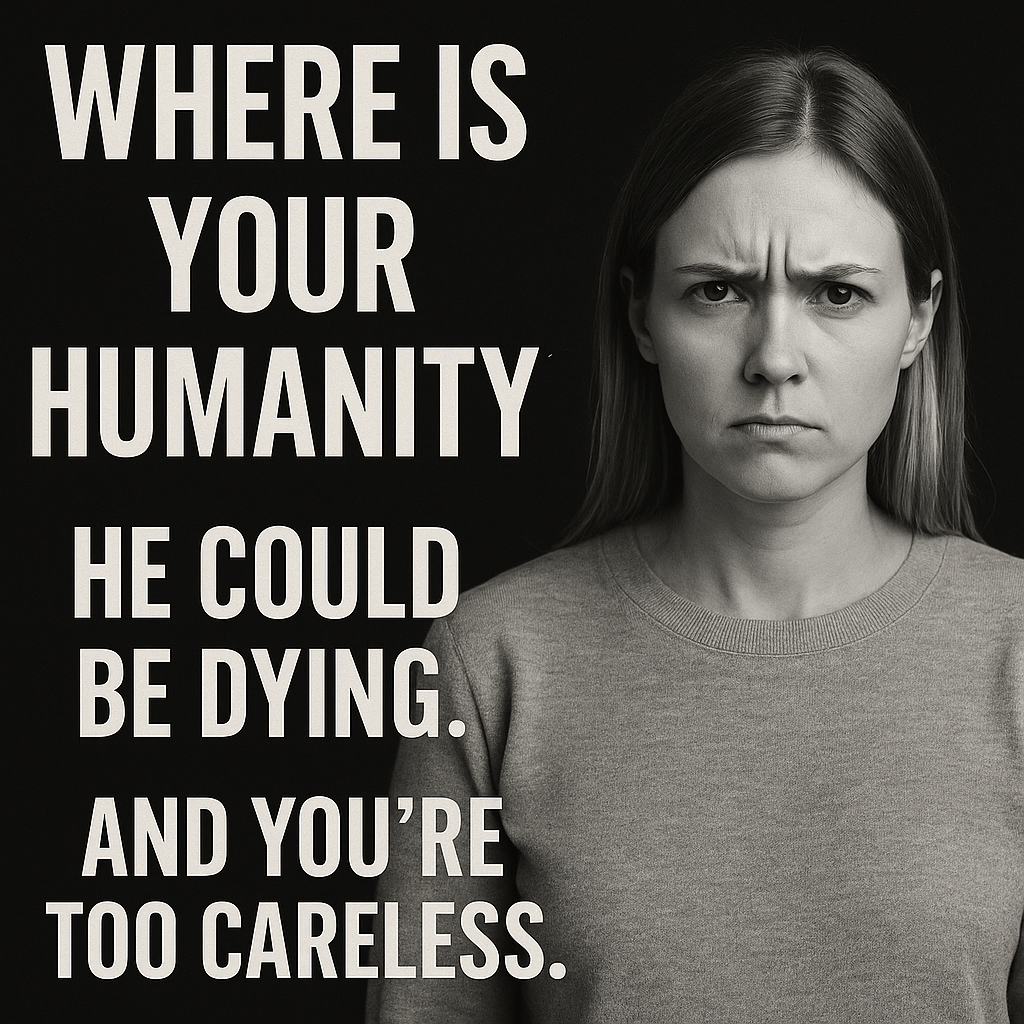
Where is your humanity? He could be dying and you are too busy(!)

Losing hope in humanity day by day…

And I don’t think it should be what I learn everyday- to lose more hope- as I was the Polyanna ever?!

I am already a great skeptic, and people just affirm my skepticism. That I should keep being a skeptic because believing in humanity does not help!

What happened was I could not reach my grandpa in London for a few days. 5 days no contact. His birthday was 2 days ago. His phone is off. I ask the concierge if they have seen him lately—the last sighting was 3 days ago.

It worries me. Knowing his routines, I know that, on a regular basis, he is not a person to stay at home for a few days. He shops every day, literally every day. Fresh salads and fruits for him!

And suddenly 3 days with no library visits and no food shopping?

It did not sound right to me. I got worried on the 3rd night of his silence.

Emails and phone calls are of no help.

I either have to fly to London and knock on his door

or send a friend over to his place.

I was dead worried in all ways.

From him being seriously sick,

to

being no more a l i v e….

I ask the porters to buzz his bell everyday a few times.

No response.

My heartbeat accelerates every time they tell me he is not at home.

BUT HE DOES NOT STAY ANYWHERE ELSE APART FROM OXFORD REWLEY HOUSE ONCE A YEAR—AND I KNOW WHEN HE DEPARTS…

He cannot be away!

He should be in! Or wait…

Is he in the hospital? Did something urgent happen and he OBVIOUSLY WENT without telling anyone because he is such A PROUD MAN!

He would not ask anyone for a favour even if he is famished or athirst.

He will only die because of pride. Not of cancer, no! Not of any flu! Nor bronchitis!

JUST PRIDE!

My mind is a great wanderer. He might be at the hospital, in pain. Without no one- not me by his side… or home, not able to move, in pain, in cramps, in all those negative states, and hungry—because he can’t cook when sick or out of food already—because remember, he buys only enough food for a day! (I find it absurd, but he rationalises it for making it up for his exercise needs- if he had enough food, he would just laze off!) TBH, nah… He wouldn’t. He is the most geminish person I ever knew. He can’t sit still for more than 3 hours—and that is counting the LIBRARY!! He will definitely leave home for the daily paper! Who could say no to Sudokus and crosswords, after all?

LONG STORY SHORT—HE WOULD NOT STAY HOME FOR 72 HRS!

SOMETHING IS OFFFFFFF!!!……

Very off indeed.

My heart is stopping and then beating faster than ever.

My blood is rushing to my face due to my inability to RUN TO HIM! RUN TO HIS FLAT!

SEE HIM WITH MY BARE EYES.

Leave my state of mind alone now.

I ask porters to buzz. One of them is very stubborn. He keeps saying he is busy- yet his business is what? opening the entrance door? Delivering the parcels once a day? sitting on his chair? Watching YouTube?

Man! stop being so selfish. Your busy state is only 5 minutes if I’m being generous. And that is already more than enough.

Just using the lift, walking 20 steps there and back wont cause you harm!

But I swallow all of my anger! And my anger, you know… IS HUGE….

I just see how small he is from his talks. He says he is busy… showing me his empty desk…

I swallow my words. I swallow the truth.

I have to stay calm—just till I know he is okay.

He hardly spends 2 minutes to knock on his door. And I literally am squashing him.

He is fed up with my grandpa’s silence or overall moodiness due to old age.

He does not understand the generational difference.

He does not get how older people are different from us!

He is mean.

He buzzes the ring, and tell me next time I cannot reach him; he does not care! I should call the real estate agency!

SCUSA MI?!!!!

PARDONNE MOI?

He is responsible for 50 flats, and it is hard work to check on an old resident spending a few minutes a day. Even if it happens every day (which is not the case), it is nothing!

I am literalllllyyyyy begging him to find out if he is okay, alive, and healthy!

He is doing nearly everything to say no, but I keep pushing.

I am tired of pushing the concierge and my friends to go and look for him.

Seriously.

Why does not anyone just run up for an hour and see him? Is that too difficult to spare an hour?

To look for an old guy—which both of my friends know in person in good memories—is that too hard?

I am in huge pain, and they just list excuses.

I am away now, more jobs to do. I have theater in the evening! Can you not call someone else? , did you call the concierge? , did they knock? Did they bla bla? Is there bla bla? questions, questions till there are no more.

LOOK—THERE IS AN EMERGENCY.

JUST MOVE YOUR BODY, AND GO AND SEE HIM.

NO MORE EXCUSES.

I ask him if he can bring flu medication and basic food like bread and bananas in case he is sick and he is out of food. He goes, finds out my grandpa is sick, and does not even go in the flat to make him a tea, a soup, or anything at all! leaves in a minute, then calls me saying he is okay just sick!

I ask if he left him anything—he replies, “No, I asked him, and he said, ‘No need!'”

WOULD HE SAY YESSSS PLEASE?

HE IS THE PERSON MADE OUT OF HALF CURIOSITY AND HALF PRIDE

He would not tell his mum that he is starving if his mum came back!

That is who he is.

And generally, do we not feel a little embarrassed to ask for a favour from people?

And the fear of the rejection or the fear of their inner thoughts?

Scary.

I can understand why he is full of pride.

I ask my friend—sorry, PUSH MY FRIEND—to actually shop for him for at least one OTC flu medication and basic food items. He stays silent for a while, and then he has some humanity somewhere; though very tottery, he dares not say no.

Does it?

All this chaos, my 2 days of pushing people to see him, was exhausting.

Not physically. Not even mentally.

But spiritually.

Why do I have to push the concierge that works in the residence to see a resident if he is still alive?

Or why should I force a friend that literally talks to me every other day, or another friend who asks me to help out with his medical issues?

When I ask for an hour of their time, excuses are running down like a torrent.

I am disappointed in humanity.

Workers do not even want to do extra job such as checking on someone, out of HUMANITY.

Friends do not want to waste their time to see an old person, even though it is their friend’s precious.

let alone all that, would not anyone be worried about an old person being seriously sick in their flat even if they did not know him?

Do we need further reasons, like a good friend’s grandpa or a friend’s friend?

ABSOLUTELY NO.

HUMANS, YOU SHOULD SEEK YOUR CONSCIENCE AND KEEP IT LOCKED IF FOUND!

I despise all of you…

Ortada Kaldım- Atilla Volga

Müzikal dehasına hayran olduğum Atilla Volga’nın yeni şarkısını paylaşıyorum. İsim babalığını Türkiye’nin rakipsiz en başarılı ve erdemli yapımcısı Timur Savcı‘nın üstlendiği ”Ortada Kaldım” sizlerle…

Sonunu asla es geçmeyin, dehası orada gizli 🙂

Sözler:

Düş kurdum, düşler bozdum

Kendimle harp içinde olmaktan pek yoruldum.

Düz durdum, dürüst oldum;

Önce sana, sonra kendime.

Kartlar/kalpler açık oyun kurdum.

Git diyemedim,

Dön diyemedim;

Ortada kaldım.

Söz veremedim,

Vaat etmedim,

Kandıramazdım.

Söz ve müzik: Atilla Volga

Spotify: https://open.spotify.com/intl-de/album/1aHm370ZkIxfbNSuucU7nN

Apple Music: https://music.apple.com/us/album/ortada-kald%C4%B1m-single/1818411190

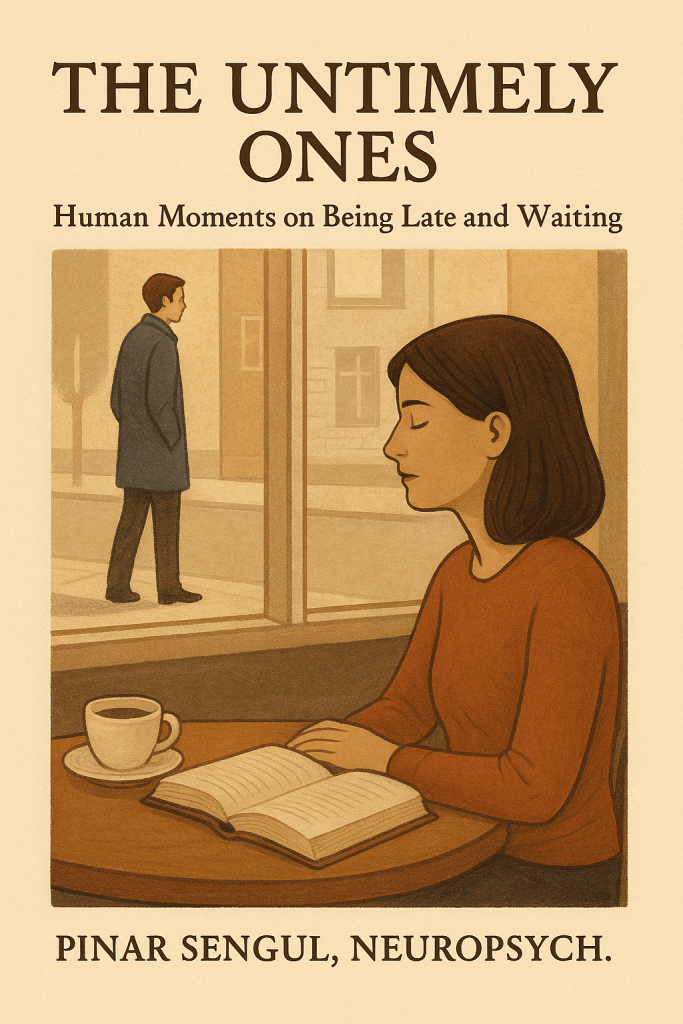
Those Who Don’t Arrive on Time –On Being Late and Waiting as a Human Experience

When someone is late, I don’t feel a knot in my chest.

On the contrary, time expands.

That gap becomes a rare opportunity to be with myself.

I order a coffee, jot down a few notes, take in the surroundings.

Until the person arrives, I remain with myself.

In that moment, it’s not the plan that matters, but presence.

And sometimes, the cancellation of a plan is a quiet restoration of the mind.

Being late, or cancelling a meeting, is not a rupture for me.

It’s simply a fragment in the natural rhythm of life.

And how that fragment is received often reveals a person’s inner posture.

I see these moments as an inner recalibration—a quiet attempt to align the uncertainty outside with the stillness within.

Because some moments are not relational, but deeply personal.

And to me, emotional maturity means leaning not on external order, but on inner balance.

Whoever comes, whatever happens…

The real question is—am I anchored in myself?

When meetings are delayed, I turn to my book, not my watch.

I don’t see waiting as emptiness, but as spaciousness.

I order a coffee, observe the world, return to my breath.

Because someone not showing up doesn’t mean I lose my sense of being.

Trying to fit life into precise minutes is like trying to control it politely.

But time is not our servant.

No matter how carefully we plan, the road sometimes stretches, the heart sometimes pauses, and sometimes—nothing happens at all.

And that, too, is part of life.

Cancellations…

I no longer hear “I can’t make it” as a rejection, but as a form of honesty.

And instead of resenting it, I try to meet that honesty with shared spaciousness.

Creating space is not only a gift we offer others, but one we grant ourselves.

When someone doesn’t come, I get to choose how to spend that moment.

Going home becomes a gift to myself.

Or walking alone through a street, listening to whatever music I like—perhaps even dancing a little—can become more precious than any scheduled plan.

Sometimes I ask myself:

Does someone being late mean the whole relationship is invalid?

Does a cancelled meeting cancel out the love too?

The mind rushes to answer, but the heart takes its time.

And I’m learning to trust the rhythm of the heart.

Connecting with someone doesn’t just mean celebrating their presence—it also means holding space for their absence.

Not necessarily without being hurt,

but without turning that hurt into anger.

It’s not about staying silent instead of expressing,

but about speaking from the right place, at the right time.

Because connection is not built through perfectly timed moments,

but through how we hold space in imperfect ones.

And true love doesn’t need everything to be on time.

To welcome someone without resentment when they finally arrive,

To say, “Don’t worry, while I waited I also took care of some things,”

To respond to a cancellation not with cold distance, but with:

“Shall we plan another time instead?”

This is where the elegance of human relationship lives.

Sometimes love is expressed not by doing something,

but by choosing not to.

Not pressuring, not interrogating, not judging.

Reading a book while waiting,

Not sending five messages to cause panic,

But keeping your own inner space intact—so that there’s room for someone else too.

Because we breathe best in the relationships where we’re allowed space.

And perhaps the truest bonds are not built when everyone arrives on time,

but when each person is allowed their own timing.

Maybe this understanding begins in childhood—

those moments when no one came on time,

when we were left waiting, forgotten, postponed…

A part of us then learned:

“If they’re late, they must not love me.”

And as adults, that part still flinches.

It feels like being forgotten all over again.

But now, we can take that child’s hand and gently say:

“This time is not the same as last time.”

Creating space means softening—

for the other, and for the older stories within us.

Not every cancellation is abandonment.

Not every silence is disinterest.

Not every delay is rejection.

Perhaps adulthood truly begins when we can calm that child within us,

and still love…

even those who arrive late.

Because the deepest bonds are not built on perfect harmony,

but on the grace that survives disruption.

Someone cancels on me—I might feel disappointed.

But that doesn’t mean I must set fire to the connection.

Sometimes, waiting for someone even though they’re late

is the clearest sign of inner maturity.

Life rarely unfolds exactly as we plan.

And maturity is not about fixing every imperfection,

but about meeting some of them with calm acceptance.

A meeting falls through. Someone’s late. Someone doesn’t show up at all…

And still, we can remain centered.

Because sometimes, what defines a moment is not what happens,

but how we stand in it.

And maybe the wisest souls are not those who always arrive,

but those who know how to wait—

without turning waiting into judgment.

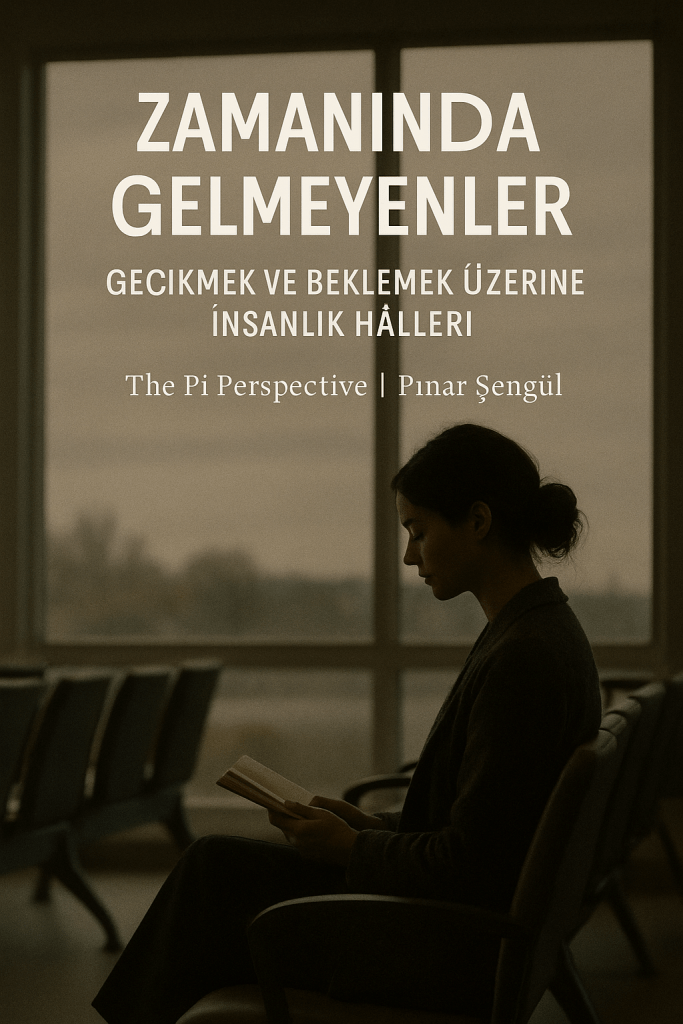
Zamanında Gelemeyenler – Gecikmek ve Beklemek Üzerine İnsanlık Hâlleri

Biri geç kaldığında içimde bir sıkışma olmaz.

Aksine, zaman genişler.

Kendi kendime kalmak için nadir bulunan bir fırsata dönüşür o boşluk.

Bir kahve içerim, birkaç not alırım, etrafa bakarım.

Gelen gelene kadar ben kendimde kalırım.

O anda plan değil, varlık değişir.

Ve bazen planın iptali, zihnin toparlanışıdır.

Geç kalmak ya da bir buluşmanın iptali benim için bir travma değil.

Hayatın doğal akışında bir kırıntı sadece.

Ve o kırıntının nasıl karşılandığı, kişinin ruhsal duruşunu gösterir.

Ben bu anlara bir tür içsel ayar gibi bakıyorum—dışarının belirsizliğiyle içerinin merkezini hizalama anı.

Çünkü bazı anlar, ilişkisel değil, kişiseldir.

Ve bana göre ruhsal olgunluk, dışsal düzene değil, içsel dengeye yaslanmaktır.

Kim gelirse gelsin, ne olursa olsun…

Ben önce kendi yerimde miyim, asıl mesele bu.

Geç kalınmış buluşmalarda saate değil, kitaba sarılıyorum.

Beklemeyi bir boşluk değil, bir alan gibi görüyorum..

Bir kahve söylüyor, etrafı izliyor, içime dönüyorum.

Çünkü birinin gelmemesi, benim kendimle olma hâlime engel değil.

Hayatı dakikalara sığdırmaya çalışmak, ona hükmetmenin kibar yolu gibi.

Ama zaman bizim hizmetkârımız değil.

Ne kadar plan yaparsak yapalım, bazen yol uzar, bazen kalp durur, bazen hiçbir şey olmaz.

Ve hiçbir şey olmaması da hayatın bir hâlidir.

İptaller…

Ben artık “gelemiyorum” cümlesini bir hakaret değil, bir dürüstlük gibi duyuyorum.

Ve dürüstlüğe kızmak yerine, onunla karşılıklı alan yaratmaya çalışıyorum.

Alan açmak sadece başkasına değil, kendine de tanınan bir özgürlük.

Biri gelmediğinde ne yapacağıma ben karar verebilirim.

Eve dönmek, o an kendime bir hediye gibi.

Ya da bir sokakta istediğim müziği dinleyerek tek başıma yürümek, hatta ritimle dans edebilmek planın iptal olmuş hâliyle daha kıymetli olabilir.

Bazen kendime soruyorum:

Bu kişi geç kaldı diye, o ilişki tümden değersiz mi?

Bu buluşma iptal oldu diye, sevgi de iptal mi?

Zihin cevabı hemen bulmak ister ama kalp biraz daha ağır işler.

Ve ben kalbin ritmine güvenmeyi öğreniyorum.

Biriyle bağ kurmak, sadece varlığını kutlamak değil, yokluğunu da taşıyabilmektir.

Kırılmadan değil belki ama kırılınca da öfkelenmeden…

Sitem etmek yerine susabilmek değil;

Doğru zamanda, doğru yerden konuşabilmek.

Çünkü bağ dediğimiz şey sadece birlikte geçirilen dakikalarla değil, birlikte atlatılan düzensizliklerle kurulur.

Ve gerçek sevgide, her şeyin tam vaktinde olması gerekmez.

Geç kalana öfkelenmeden “geldiğine çok sevindim, merak etme seni beklerken ben de işlerimi hallettim” diyebilmek

İptal edilen bir buluşmadan sonra hâlâ “o zaman yeni bir görüşme planlayalım mı?” diyebilmek…

İşte insan ilişkilerinin zarafeti burada saklı.

Sevgi, bazen bir şeyi yapmamakla da ifade edilir.

Sormamakla, bastırmamakla, yargılamamakla…

Beklerken kitap okumak, sürekli mesaj atıp arayıp o insanı ter içinde bırakmamak…

İçteki alanı bozmadan başkasına yer bırakmak…

Çünkü en çok alan açabildiğimiz ilişkilerde soluklanırız.

Ve bazen gerçek bağ, herkesin tam zamanında geldiği değil, herkesin kendi zamanına izin verildiği ilişkide kurulur.

Belki de bu anlayışın kökü çocuklukta.

Zamanında alınmayanlar, unutulanlar, ertelenenler…

Bir yerimiz o zaman öğrendi: “Geç kalınmak sevilmemektir.”

Ve büyüdüğümüzde bu duygu hemen devreye giriyor.

Sanki yeniden unutulmuşuz gibi.

Ama şimdi o çocuğun elini tutabiliriz.

Ona diyebiliriz ki: “Bu seferki, o zamankiyle aynı değil.”

Alan vermek böyle bir şeydir işte.

Hem karşımızdakine hem de içimizdeki eski hikâyelere yumuşamak.

Her iptal, terk edilmek değildir.

Her sessizlik, ilgisizlik değildir.

Ve her gecikme, reddedilmek anlamına gelmez.

Yetişkinliğin inceliği belki de burada başlıyor:

İçimizde tetiklenen çocuğu sakinleştirebilmekte,

Ve hâlâ sevebilmekte…

Zamanında gelmeyenleri de.

Çünkü en kalıcı bağlar, mutlak uyumla değil,

Kırılmadan sonra devam edebilen zarafetle kurulur.

Biri görüşmeyi iptal ettiğinde kırılabilirim, ama sırf bu yüzden bir ilişkiyi yakmak zorunda değilim.

Bazen birinin geç kalmasını göze alarak beklemek, mutlak bir ruhsal olgunluk ibaresidir. 

Hayat çoğu zaman planladığımız gibi akmaz.

Ve olgunluk, her aksaklığı düzeltmek değil, bazılarını olduğu gibi karşılayabilmektir.

Bir buluşma iptal olur, biri geç kalır, biri hiç gelmez…

Ama biz hâlâ sakin kalabiliriz.

Çünkü bazı anlar, başkalarının değil, bizim nasıl durduğumuzla şekillenir.

Ve en nihayetinde, sevmek hâlâ mümkün kalır.

Ve belki de en olgun ruhlar, her şeye rağmen bekleyebilen, ve bu beklemeyi karşısındakine bir yargıç gibi hesap verdirtmeden, anlayışla karşılayabilenlerdir…

Uzm. Nöropsk. Pınar Şengül

The Pi Perspective

Savaştığım iyilik…

Kader yolum mu? Yaradılış sebebim mi? Yoksa sevgiye olan arlanmaz inancım mı?

Kötü olacağım dediğim her cümlenin ardından iyiliğe koşar adım niçin gidiyorum?

Kötü olmalıyım, biliyorum.

Şimdi aklımda, teyzemin kızı.

Neden hala onu düşünüyor, iyiliğini istiyor, üzülmesin istiyorum?

Neden içimde hala onu seviyorum?

Bir tarafım iflah olmaz bir şekilde inanıyor,

Zor hayatı onu bu hale getirdi,

Hemen savunmaya geçmek için hazır ol da…

Sözleri genelde kırıcı, yaralayıcı ve atakta…

Ama neden kalpten kızamıyorum ona?

Neden kalpte sevebiliyorum dilinde biten onca acı lafa rağmen?

Geçmişimiz pek derin sayılmaz,

Benden hep büyüktü…

Kızlarını severdim çocuk idim.

Annesinden çocukken çok korkar,

Ergen olur olmaz ise delicesine severdim.

O hep uzaktaydı. Annesi ve kızları daha yakınımdaydı.

Hep onun parçalarını seviyordum.

O uzaktaydı.

Tanımazdım pek.

Az buz gördüğüm çocuk gözlerimde neşeli kahkahalı bi kadındı.

Şimdi de hala sesi kulaklarımda,

Anlattıklarımı dinlerken hmmm yapardı, tatlı bir sesle.

İşte kabullenemiyorum onun bana karşı art niyetli olacağına.

Ben de olamıyorum ki ona.

Sadece uzak duruyorum, çocuklugumda oldugu gibi.

Onu tanımak, kendime bakmak gibiydi bazen.

Bazense üzülüyordum,

Neden hep parmak uçlarında yürüyor?

Neden hep kendini korumaya nazır?

O zor bir insan…

Her cümlenin altında bir bit yeniği arıyor.

Onlar dost kalmak zor iş.

Ama uzakta bile olsa,

İyi olsun hep…

Olur mu?

Deze gızı…

Beyazlar içinde…

Beyazlar içinde,

Bir sarı papatyaydı bugün,

Kamelyalı kadın.

Kelimeler yazıp siliyorum.

Türkçe’si yok işte.

Idolâtrie”  olmalı bu.

Bundan böyle;

”Filizperestlik” diye çeviriyorum Türkçe’ye.

Yaratmalı tercümesi olan kelimeleri yok ise.

π

Sınırlı Düşünebilme – Voltaire

Voltaire, kafamı karıştırıyorsun.

Yeri geliyor deneyimsel öğrenmeyi kabul ediyorsun, yeri geliyor ansızın mutlakiyetçi oluyorsun.

(İki ayrı töz olduğumuzu kanıtlamaya çalışırken aslında tek olduğumu somut olarak hissettim? Ahlaki zorunluluk sadece laftır; yapılan her şey mutlak surette zorunludur? Sf. 3 ve 14)

Mutlak bilgiye sahip olunabileceğine inanıyorsun.

Fideistler gibi sadece inanca yaslanmıyorsun belki ama, varlığın bir yaratıcısı olduğuna mutlak bir güvenin var.

Rasyonalist misin sen şimdi?

Ya da Kant gibi kafan mı karışık?

Yoksa daha düzgün bir söylemle mi söylemeli: Kant gibi kusursuz bir düşünce dünyası mı yaratmaya çalışıyorsun?

“Tecrübe olmadan hiçbir şey olmaz” diyorsun bir yerde. Hemen ardından, aynı eserde şöyle söylüyorsun:

“…nasıl düşünebildiğimi bilemesem de, sayesinde düşünebildiğim Tanrı’ya tapıyorum.”

Düşünmesinin sınırlı olduğundan defalarca kez bahsediyorsun.

Ve sonra, sınırlı düşünce yetini sana verdiğine inandığın Tanrı’ya tapıyorsun.

Nasıl yani?

Neye tapınıyorsun burada?

Hiç düşünememeye kıyasla azıcık düşünebilmeye mi?

Yoksa zaten hiçbir zaman gerçek bilgiye ulaşamayacağını kabul ettiğin bu sınırlı hâle mi?

Sanıyorum birincisine.

Ama yine de tam olarak aklım almıyor.

İnsan nasıl aklının almayışına minnettar olabilir?

Daha iyisi mümkünken daha azına razı olmak – hele konu akıl gibi büyülü bir mesele olduğunda?

Az yemeğe sahip olmak hiç yemeğe sahip olmamaktan daha iyidir derler ya, belki bu da öyle bir şeydir.

Ama o da tartışılır. Kıtlıkla yaşamanın psikolojisinin yaratabileceği hasarlarla hayatta kalmanın değeri kıyaslanabilir mi?

Ölmektense azıcık yiyerek hayatta kalmak bir şükür sebebi olabilir dersek,

hiç düşünememektense biraz düşünebilmek de öyledir belki.

Böyle düşününce, Voltaire’i değil de, onu bazen anlayamayan kendimi çürütüyor oluyorum.

Ama bir de şu taraftan bakalım son kez…

Kıtlıkla yaşamaktansa hiç yaşamamak, sürekli savaş vererek ayakta kalmak yerine hiç var olmamak;

bu yokluk, açlık ve konforsuzluğa hiç düşmemiş olmayı tercih etmek de mümkün değil mi?

Eğer düşük bir yaşam kalitesine razı değilsen, azıcık bir akla da razı olmayı neden kabul edesin?

Sınırlı olduğunu bildiğin bir akıl, nasıl bir hediye olabilir ki?

Bir cezadan başka…

Bu yüzden, bana bu sınırlı aklı veren Tanrı’ya tapmasını tuhaf buluyorum Voltaire gibi üstün bir zekânın.

Kısıtlayıcı, cahil ve yetersiz olduğumuz bir akılla yaşamayı biz istemedik.

İstemiş olamayız, değil mi?

Sınırlı aklını ona veren Tanrısına tapan Voltaire’e bir selam yolluyorum.

Ben bu sınırlı akıldan hiç memnun olamadım.

Bkz. Voltaire – Cahil Filozof, Türk İş Bankası Yayınları, sf. 21.