

Judging a museum only by its collection feels incomplete to me. Can we sit down when we get tired? Is there somewhere to pause when sound, light or crowds become too much? Sometimes this is exactly where neuropsychology meets art: in the details of a visit.
A date for Berlin: the Jewish Museum Berlin’s Bilder machen Leute programme for people living with dementia and their companions takes place on 20 November 2026 at 14:00. It includes conversation around paintings, objects to touch and seating. The next date is 15 December. Confirm participation and individual needs with the museum beforehand. Official programme.
In London, Wellcome Collection’s quieter visiting options, sensory maps and support tools caught my attention. Some relaxed openings limit visitor numbers; they are free but require booking. Check current access information instead of assuming every day offers the same arrangements. Access information.
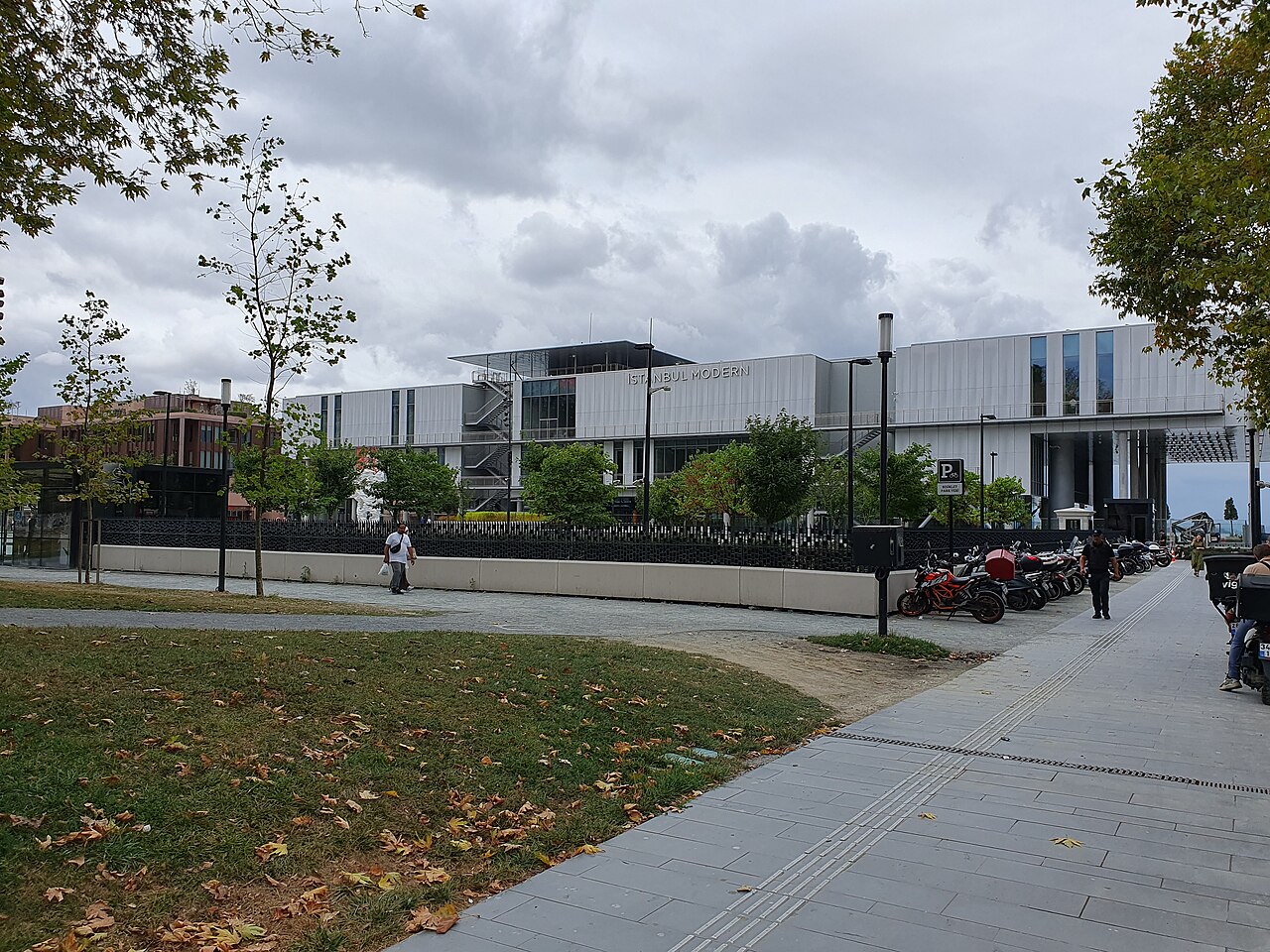
In Istanbul, Istanbul Modern describes light sensitivity warnings and portable stools in its visitor guide. Its We Meet programme also serves children with special learning needs. These are different kinds of provision, just as visitors have different needs. Visitor guide.
My suggestion: do not make seeing every room the goal of your next visit. Two works, a break and a good conversation may be enough. I want to discuss barriers to cultural participation without presenting a museum visit as treatment. A thoughtfully designed experience should not constantly ask the visitor to do all the adapting.