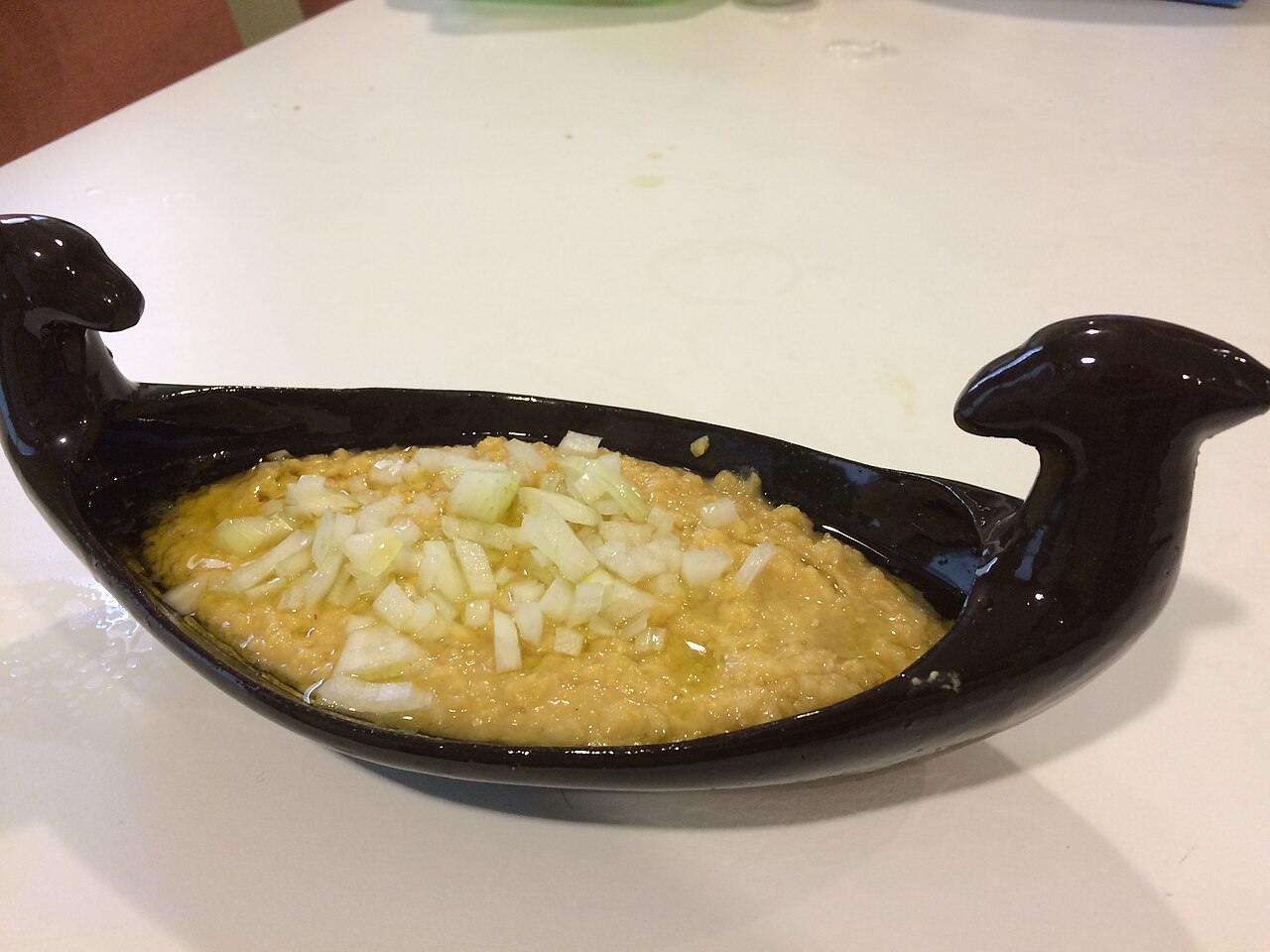


The pleasure of a meze table is in the relationships between its small plates. The softness of a vegetable cooked in olive oil can meet the brightness of a lemony salad; the substance of pulses can meet the freshness of herbs. Thinking about that balance makes planning a vegan table more enjoyable than simply collecting suitable dishes.
Three elements are a useful beginning: a seasonal vegetable, a satisfying pulse dish and something fresh. Add good bread and the table starts to find its shape. Rather than repeating the same texture across five plates, look for a roasted flavour, a little crunch and a touch of acidity.
When eating out, a dish’s name is not enough. Fava, dolma and aubergine salad can be made differently in different kitchens. Asking directly about butter, yoghurt, cheese, eggs and meat stock reduces misunderstandings.
Plant based gastronomy reaches beyond a list of removed ingredients. It also concerns what the table makes room for: good olive oil, the season, technique and the way one plate feels beside another.